Blog

  • “Electric Fence Installation & Business Training: Secure Properties & Earn Big”

    “Electric Fence Installation & Business Training: Secure Properties & Earn Big”

    Electric Fence Installation & Business Training

    Security is a top priority for homeowners and businesses, making electric fence installation a high-demand service. With rising concerns about property protection, learning electric fence installation and business training can open up profitable opportunities. Whether you want to start a security business or add electric fencing to your services, the right training equips you with the skills to install, maintain, and market electric fence systems effectively.

    This guide will walk you through the importance of electric fence installation, the required tools, step-by-step installation techniques, and how to establish a profitable business in this growing industry.

    Why Learn Electric Fence Installation?

    Investing in electric fence installation training comes with numerous benefits, including:

    • High Demand – Property owners constantly seek reliable security solutions.
    • Profitable Business – Electric fencing services generate substantial income.
    • Low Startup Costs – You can start with basic tools and expand as you grow.
    • Scalability – Offer additional security solutions like CCTV, access control, and alarm systems.
    • Job Security – Security services remain essential in residential, commercial, and industrial sectors.

    With proper electric fence business training, you can develop technical expertise and gain a competitive edge in the security industry.

    Essential Tools & Equipment for Electric Fence Installation

    To install an electric fence successfully, you need the right tools and materials, including:

    • Fence Energizer – Powers the electric fence.
    • Insulators – Prevents current leakage by securing wires to posts.
    • Electric Fence Wire – Conducts electricity to create a shock barrier.
    • Batteries & Solar Panels – Power sources for off-grid fence systems.
    • Voltage Tester – Measures fence voltage for safety and efficiency.
    • Grounding System – Ensures the fence delivers effective shocks.
    • Warning Signs – Required by law to inform people about the electric fence.

    By mastering electric fence installation training, you will learn how to use these tools properly for a safe and effective fence setup.

    Step-by-Step Electric Fence Installation Guide

    1. Site Survey & Planning

    Before installing an electric fence, conduct a thorough site inspection:

    • Assess Property Boundaries – Mark the fence line clearly.
    • Determine Fence Type – Choose between permanent or temporary fencing.
    • Check Local Regulations – Ensure compliance with legal requirements.

    2. Setting Up Fence Posts

    • Use strong posts like metal or treated wood.
    • Space posts 8-12 feet apart for proper wire tension.
    • Secure posts firmly to withstand external pressure.

    3. Installing Insulators & Wiring

    • Attach high-quality insulators to each post.
    • Run electric fence wire along the insulators, keeping it tight.
    • Connect wires properly to avoid power leakage.

    4. Connecting the Energizer & Power Supply

    • Install the electric fence energizer in a dry, secure location.
    • Connect the fence wire to the energizer output terminal.
    • Ensure a good grounding system for optimal performance.

    5. Testing & Safety Checks

    • Use a voltage tester to check proper electric flow.
    • Install warning signs for safety compliance.
    • Ensure proper insulation to prevent unintended shocks.

    With electric fence installation training, you’ll gain hands-on skills to complete these steps efficiently.

    How to Start an Electric Fence Installation Business

    1. Get Certified & Trained

    Enroll in a professional electric fence installation training program to gain the necessary skills. Many training centers offer certifications that boost your credibility.

    2. Invest in Essential Tools

    Purchase high-quality tools and materials for reliable and durable electric fence installations.

    3. Market Your Business

    Use digital marketing strategies to promote your services:

    • Create a business website with SEO content.
    • Advertise on social media platforms (Facebook, Instagram, LinkedIn).
    • Offer referral discounts to attract new clients.

    4. Partner with Security Companies

    Collaborate with CCTV installers, alarm system providers, and real estate firms to expand your reach.

    5. Provide Maintenance & Support Services

    Offer fence inspection, repairs, and upgrades to generate recurring income.

    By following these steps, you can turn your electric fence installation training into a successful business.

    Pricing & Profitability in the Electric Fence Business

    The cost of installing an electric fence depends on:

    • Fence Length – Longer fences require more materials.
    • Fence Type – High-security fences cost more.
    • Power Source – Solar-powered systems may have higher initial costs but lower maintenance.

    Potential Earnings

    • Small residential fences: $500 – $1,500 per project
    • Large commercial fences: $3,000 – $10,000+ per project
    • Maintenance contracts: $100 – $500 per visit

    With proper business training, you can optimize pricing strategies and increase profits.

    Common Challenges & How to Overcome Them

    1. High Competition – Differentiate your services with quality work and customer satisfaction.
    2. Legal Compliance – Stay updated with local regulations.
    3. Customer Trust – Offer warranties and transparent pricing.

    By overcoming these challenges, your electric fence installation business can thrive.

    Conclusion

    Learning electric fence installation and business training is a profitable opportunity in the security industry. With growing demand for property protection, skilled electric fence installers are in high demand.

    By mastering installation techniques, using the right tools, and implementing effective business strategies, you can secure properties and earn big. Start your journey today and build a successful security business with electric fence installation training!


    Electric Fence Installation
    Electric Fence Installation
  • 5 Best Top CCTV Camera Brands: Features, Pricing & Performance Breakdown

    5 Best Top CCTV Camera Brands: Features, Pricing & Performance Breakdown

    Comparing the Top CCTV Camera Brands: Features, Pricing & Performance

    Security is a top concern in today’s world, and choosing the right CCTV system is crucial to keeping your home, office, or business safe. With so many products available, finding the best option can be overwhelming. This guide explores the Top CCTV Camera Brands by comparing their features, pricing, and performance. Whether you’re a homeowner or a security installer, this review will help you make an informed decision.

    Why Choosing from the Top CCTV Camera Brands Matters

    Investing in the Top CCTV Camera Brands ensures reliability, advanced features, and better after-sales support. These brands offer more than just basic surveillance—they provide intelligent monitoring, remote access, and smart technology that can greatly enhance your security system.

    Let’s look at the leading names in the industry.


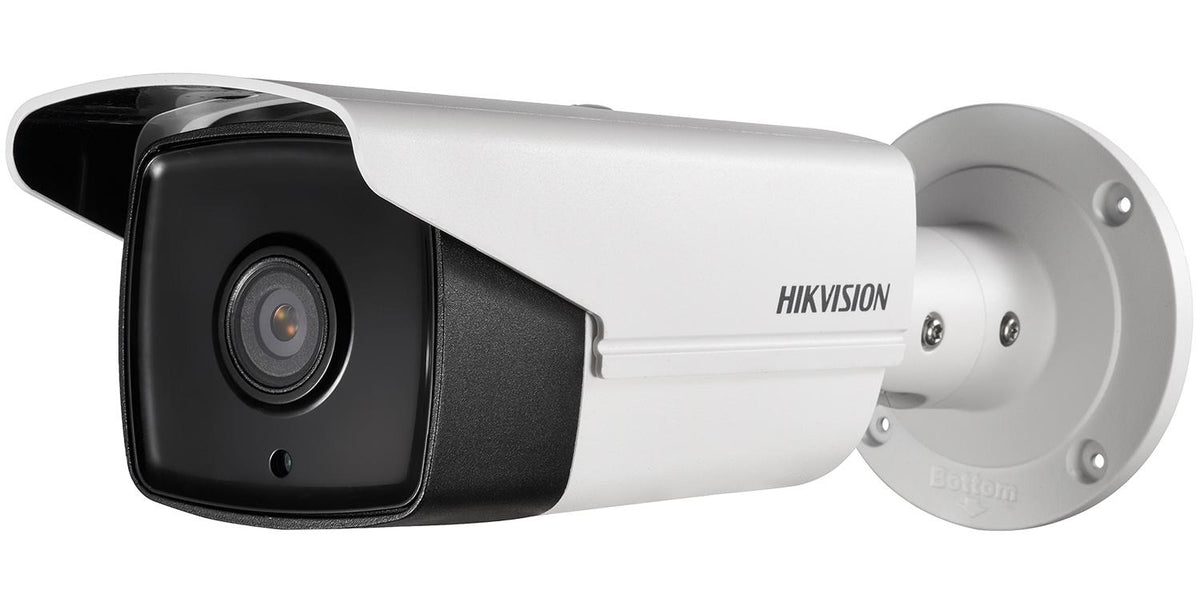
    1. Hikvision: Global Leader in Video Surveillance

    Features:
    Hikvision is widely regarded as one of the Top CCTV Camera Brands in the world. Their products come with cutting-edge features such as HD and 4K resolution, motion detection, infrared night vision, and AI-powered analytics. They also offer a full range of analog and IP cameras, including PTZ and thermal models.

    Pricing:
    Entry-level cameras start at around $40, while high-end models with smart features can go beyond $300.

    Performance:
    Hikvision cameras are known for crystal-clear image quality, wide coverage, and long-lasting durability. They’re commonly used in government buildings, commercial centers, and residential properties.


    2. Dahua Technology: Affordable Innovation

    Features:
    Dahua is another heavyweight among the Top CCTV Camera Brands. Their product line includes Smart IR, facial recognition, people counting, and perimeter protection. They also offer the WizSense and WizMind series designed for intelligent video surveillance.

    Pricing:
    Dahua provides cost-effective options, with prices starting at $35 and scaling up to $250 for advanced models.

    Performance:
    Dahua cameras are dependable and user-friendly, offering reliable performance in various environmental conditions. They’re a favorite among small business owners and installers.


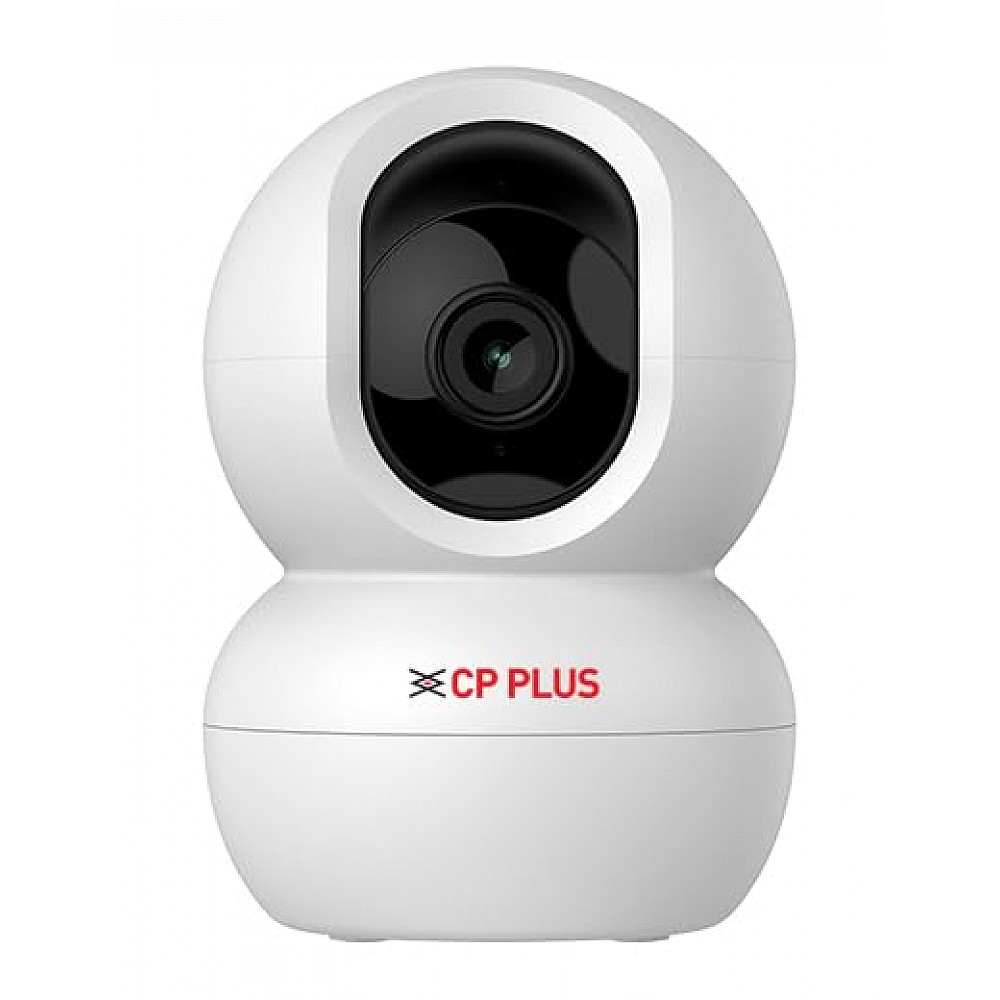
    3. CP Plus: Best for Budget-Conscious Users

    Features:
    CP Plus has carved a niche among the Top CCTV Camera Brands by offering affordable solutions without compromising too much on features. They offer full HD cameras, mobile monitoring, motion alerts, and DVR/NVR solutions.

    Pricing:
    CP Plus cameras are among the most affordable, with many models priced between $25 and $100.

    Performance:
    While not as feature-rich as premium brands, CP Plus delivers satisfactory performance for basic security needs, especially in homes and small shops.


    4. Bosch Security Systems: Enterprise-Grade Surveillance

    Features:
    Bosch is a premium name on the list of Top CCTV Camera Brands, offering high-end cameras with intelligent video analytics, robust design, and integration with other security systems.

    Pricing:
    Bosch cameras are priced higher, starting from $200 and going beyond $1,000 for enterprise models.

    Performance:
    Ideal for critical infrastructure, Bosch cameras deliver unmatched performance in image clarity and AI-powered detection, making them suitable for airports, banks, and large facilities.


    5. Arlo: Smart Wireless Solutions

    Features:
    Arlo is a wireless brand featured among the Top CCTV Camera Brands for home users. Their cameras offer 2K/4K resolution, color night vision, cloud recording, and compatibility with smart assistants like Alexa and Google Assistant.

    Pricing:
    Arlo’s wireless cameras range from $100 to $400 depending on the model and included features.

    Performance:
    Arlo cameras are easy to install and use, perfect for homeowners seeking wire-free, smart surveillance solutions.


    Final Thoughts: Choosing from the Top CCTV Camera Brands

    Selecting the right brand depends on your specific needs:

    • For professional-grade features: Hikvision or Dahua
    • For affordability: CP Plus
    • For premium enterprise solutions: Bosch
    • For wireless home monitoring: Arlo

    The Top CCTV Camera Brands stand out due to their quality, innovation, and performance. By investing in a trusted brand, you ensure a more secure environment, better support, and long-term satisfaction.

    Before purchasing, always assess your surveillance goals, location, camera type (indoor/outdoor), and technical support needs. Opting for one of the Top CCTV Camera Brands guarantees peace of mind and effective security coverage.

    Top CCTV Camera Brands
    Top CCTV Camera Brands
  • Top 10 CCTV Camera Brands in the World: The Best Security Solutions for 2025

    Top 10 CCTV Camera Brands in the World: The Best Security Solutions for 2025

    Top 10 CCTV Camera Brands in the World: The Best Security Solutions for 2025

    Security is more important now than ever before. Whether you’re protecting your home, office, or commercial facility, investing in a reliable CCTV system is a smart decision. With so many options on the market, choosing from the best CCTV Camera Brands in the World can help ensure advanced features, high-quality footage, and long-term durability.

    This guide explores the Top 10 CCTV Camera Brands in the World for 2025, based on technology, performance, user feedback, and value for money.


    1. Hikvision

    Hikvision is widely recognized as the industry leader among CCTV Camera Brands in the World. Known for its innovation, the brand offers a wide range of products including IP cameras, PTZ cameras, thermal cameras, and smart video solutions powered by AI.

    • Strengths: 4K resolution, motion tracking, night vision, AI analytics
    • Use Case: Suitable for homes, businesses, and industrial sites
    CCTV Camera Brands in the World

    2. Dahua Technology

    Dahua is another top contender in the list of CCTV Camera Brands in the World. Their cameras are designed with high-resolution lenses, smart H.265+ video compression, and advanced features such as facial recognition and perimeter protection.

    • Strengths: Budget-friendly, smart technology, remote access
    • Use Case: Ideal for SMEs and large surveillance projects
    CCTV Camera Brands in the World

    3. Bosch Security Systems

    Bosch provides high-performance cameras that are known for their durability and intelligent video analytics. Among the top CCTV Camera Brands in the World, Bosch stands out in enterprise-level security environments.

    • Strengths: AI-driven analytics, weatherproof housing, superior image quality
    • Use Case: Banks, airports, corporate facilities
    CCTV Camera Brands in the World

    4. Axis Communications

    Axis is a pioneer in network cameras and a strong player among CCTV Camera Brands in the World. They focus on IP-based surveillance with features like wide dynamic range, audio detection, and scalable systems.

    • Strengths: Advanced IP technology, cybersecurity protection
    • Use Case: Retail stores, smart cities, and public safety
    CCTV Camera Brands in the World

    5. CP Plus

    CP Plus has grown rapidly and earned a place among the most trusted CCTV Camera Brands in the World for budget-conscious buyers. It offers affordable, yet reliable security solutions.

    • Strengths: Cost-effective, mobile app support, HD quality
    • Use Case: Homes, shops, and small offices
    CCTV Camera Brands in the World

    6. Arlo

    Arlo is a modern, wireless surveillance brand, ranked among the best CCTV Camera Brands in the World for home security. Known for sleek designs and cloud-based features, Arlo offers flexibility and ease of use.

    • Strengths: Wireless, 2K/4K video, smart alerts, integration with Alexa/Google Assistant
    • Use Case: Homeowners, apartment dwellers
    CCTV Camera Brands in the World

    7. Swann

    Swann is a popular name in DIY surveillance and makes its mark on the list of top CCTV Camera Brands in the World. Its systems are easy to install and come with features like heat and motion detection, and free local recording.

    • Strengths: DIY-friendly, wide availability, flexible setups
    • Use Case: Residential and small-scale commercial users
    CCTV Camera Brands in the World

    8. Sony

    Sony brings its expertise in imaging technology to the security space. As one of the premium CCTV Camera Brands in the World, Sony offers cameras with exceptional video clarity and low-light performance.

    • Strengths: Superior optics, wide dynamic range, high reliability
    • Use Case: High-security environments and broadcasting
     CCTV Camera Brands in the World

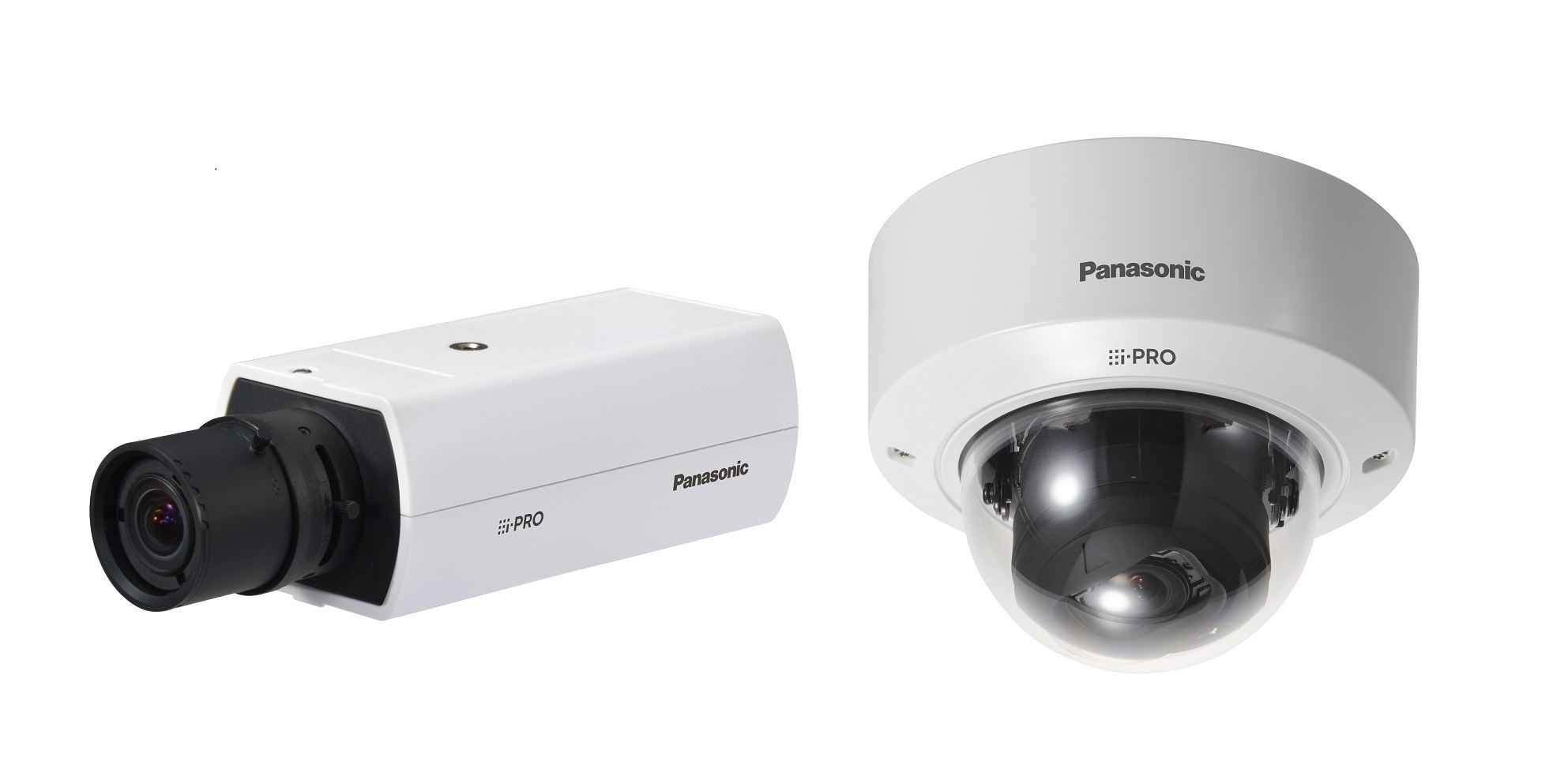
    9. Panasonic

    Panasonic offers professional-grade surveillance equipment. It earns a spot among the leading CCTV Camera Brands in the World with products known for their stability, remote monitoring, and eco-friendly operations.

    • Strengths: Long lifespan, rugged build, wide angle coverage
    • Use Case: Warehouses, transportation, and government offices
     CCTV Camera Brands in the World

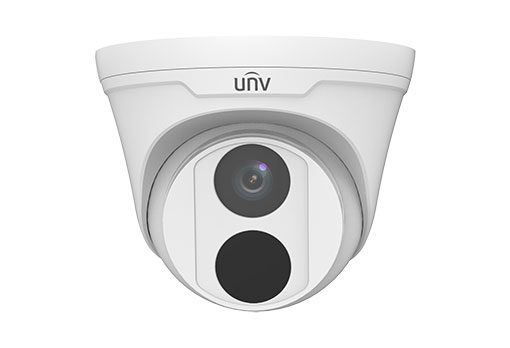
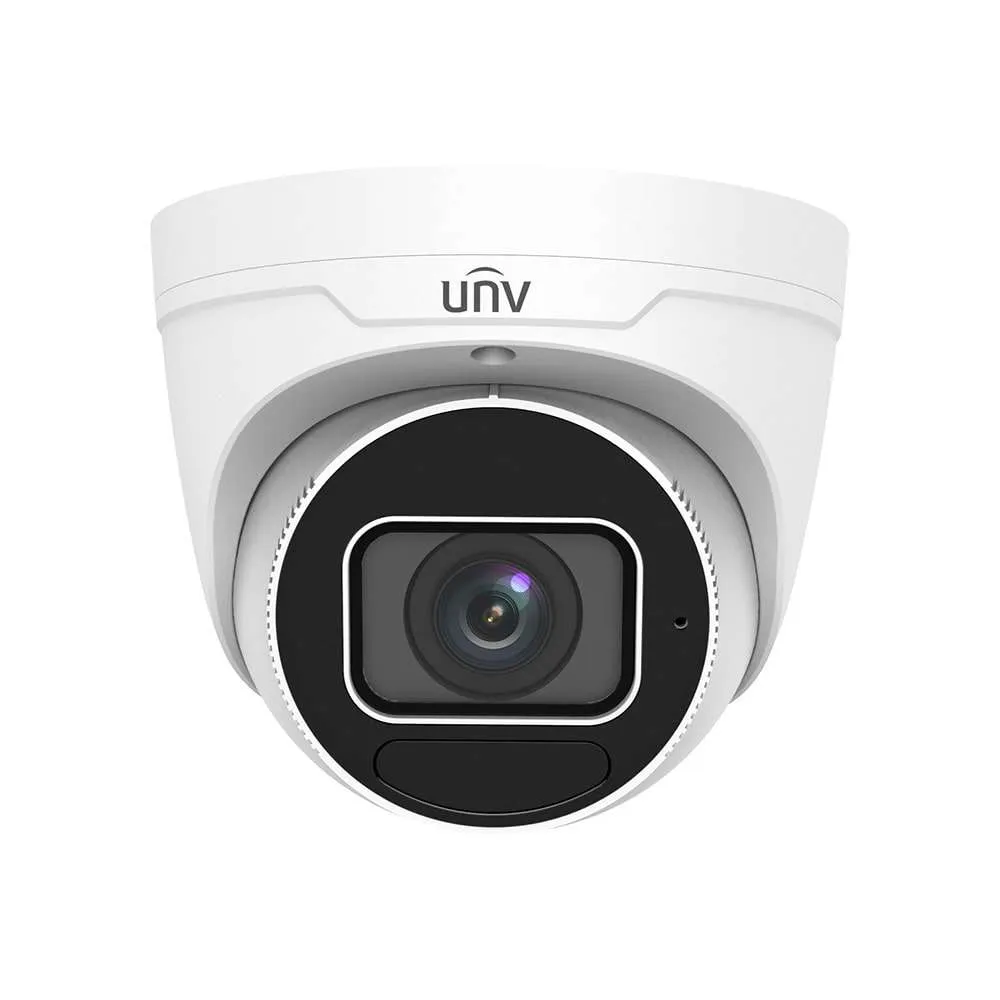
    10. Uniview (UNV)

    Uniview is a rising star among CCTV Camera Brands in the World, especially in the IP camera segment. The brand focuses on smart monitoring, easy integration, and efficient video compression.

    • Strengths: Smart detection, NVR support, wide product range
    • Use Case: Educational institutions, hotels, and retail chains
     CCTV Camera Brands in the World

    Conclusion: Choosing the Right Brand for Your Security Needs

    Whether you’re setting up a home surveillance system or managing large-scale security for a business, selecting from the best CCTV Camera Brands in the World ensures quality, dependability, and support. Each of these top 10 brands offers unique strengths, catering to different needs and budgets.

    Before purchasing, consider key factors like:

    • Camera type (IP, analog, wireless)
    • Desired resolution and night vision
    • Storage options (cloud vs local)
    • Scalability and mobile access

    By choosing one of the top-rated CCTV Camera Brands in the World, you’re making a smart investment in safety, peace of mind, and long-term performance.

  • The Future of Surveillance: The Most Innovative CCTV Brands in the World

    The Future of Surveillance: The Most Innovative CCTV Brands in the World

    The Future of Surveillance: The Most Innovative CCTV Brands in the World

    In an age where security threats are evolving, surveillance technology must evolve too. The demand for smarter, faster, and more efficient monitoring systems is pushing boundaries, and The Most Innovative CCTV Brands in the World are leading this transformation. From artificial intelligence to cloud-based video analytics, these brands are redefining what CCTV can do.

    This article highlights The Most Innovative CCTV Brands in the World in 2024, offering insight into how they are reshaping the future of security.


    Why Innovation in CCTV Matters

    The days of basic video monitoring are gone. Today’s CCTV systems are intelligent, automated, and proactive. Features like facial recognition, smart alerts, real-time mobile notifications, and AI-driven analysis are now standard in advanced systems. Choosing from The Most Innovative CCTV Brands in the World ensures you’re investing in cutting-edge features that deliver real security results.


    1. Hikvision

    As one of The Most Innovative cTop 7 of The Most Innovative CCTV Brands in the World for 2024, Hikvision continues to lead the global market with smart surveillance solutions. Their AI-based technologies provide features such as facial detection, license plate recognition, and behavioral analysis.

    • Innovation Highlights: Deep learning, night vision, intelligent threat detection
    • Best For: Government buildings, commercial areas, and transport systems
    The Most Innovative CCTV Brands in the World

    2. Dahua Technology

    Dahua’s AI-powered surveillance solutions place them high on the list of The Most Innovative CCTV Brands in the World. Their products combine affordability with next-level features like people counting, perimeter protection, and active deterrence.

    • Innovation Highlights: WizSense AI, video metadata, multi-sensor cameras
    • Best For: Retail outlets, warehouses, and smart cities
    The Most Innovative CCTV Brands in the World

    3. Axis Communications

    Known for launching the first IP camera, Axis has consistently remained among The Most Innovative CCTV Brands in the World. Their cameras integrate advanced analytics, edge storage, and cybersecurity protections.

    • Innovation Highlights: Zipstream compression, radar sensing, open-platform IoT integration
    • Best For: Public safety, universities, and healthcare facilities
    The Most Innovative CCTV Brands in the World

    Dahua Lite Series | RxTx

    4. CP Plus

    CP Plus is rising fast among The Most Innovative CCTV Brands in the World, particularly in the budget-conscious and mid-level market. They offer powerful surveillance options without compromising on intelligent features.

    • Innovation Highlights: Cloud monitoring, mobile app control, AI-based DVRs
    • Best For: Small offices, homes, and schools
    The Most Innovative CCTV Brands in the World

    5. Uniview (UNV)

    Uniview is quickly gaining recognition as one of The Most Innovative CCTV Brands in the World, especially in the field of smart IP solutions. Their high-resolution cameras come with features like smart intrusion detection and auto-tracking.

    • Innovation Highlights: Deep learning, 4K streaming, wide dynamic range
    • Best For: Shopping centers, hotels, and modern residential estates
    The Most Innovative CCTV Brands in the World

    6. Arlo

    Arlo has become a top name in wireless home security. As part of The Most Innovative CCTV Brands in the World, Arlo’s solutions include AI-based object recognition, smart notifications, and two-way audio—all without cables.

    • Innovation Highlights: Wireless 4K cameras, voice assistant integration, cloud storage
    • Best For: Smart homes and remote monitoring
    The Most Innovative CCTV Brands in the World

    7. Bosch Security Systems

    Bosch takes enterprise-level surveillance to the next level. As one of The Most Innovative CCTV Brands in the World, it offers intelligent video analytics and seamless system integration.

    • Innovation Highlights: AI-assisted alerts, audio analytics, rugged design
    • Best For: Factories, transportation networks, and infrastructure projects
    The Most Innovative CCTV Brands in the World

    What to Expect from the Future of CCTV

    The landscape of CCTV is shifting toward smarter and more predictive security. Here are some trends shaping The Most Innovative CCTV Brands in the World:

    • AI-powered analytics to reduce false alarms
    • Cloud-native video systems for remote access
    • Edge computing for faster, real-time response
    • Integration with smart building ecosystems
    • Enhanced cybersecurity features for data protection

    Conclusion

    Choosing from The Most Innovative CCTV Brands in the World ensures that your surveillance system is not just reactive but intelligent and adaptive. These brands are at the forefront of technology, delivering solutions that offer more than just recording—they offer insight, prevention, and control.

    Whether you’re upgrading a home system or managing corporate security, investing in innovation is the smartest move you can make. With the right brand, you’re not just monitoring—you’re managing the future of security.

  • “Empowering the Future: How Smart Home Automation and Energy Conservation Create Opportunities for Young Professionals in the ELV Industry”

    “Empowering the Future: How Smart Home Automation and Energy Conservation Create Opportunities for Young Professionals in the ELV Industry”

    Empowering the Future: How Smart Home Automation and Energy Conservation Create Opportunities for Young Professionals in the ELV Industry

    In today’s fast-paced world, homes are becoming smarter and more energy-efficient, thanks to technological advances. At the forefront of this shift is Smart Home Automation and Energy Conservation, a powerful combination that is not only improving lifestyles but also unlocking new opportunities—especially for young professionals in the Extra-Low Voltage (ELV) industry.

    This article explores how Smart Home Automation and Energy Conservation are transforming the residential space and creating promising career paths in the growing tech-driven world.


    What is Smart Home Automation and Energy Conservation?

    Smart Home Automation and Energy Conservation refers to the integration of automated systems with energy-saving features to enhance comfort, control, and sustainability in residential and commercial buildings. These systems include smart lighting, thermostats, appliances, security systems, and power management devices—controlled remotely via apps, voice assistants, or centralized hubs.

    The key advantage is efficiency. For example, smart thermostats adjust temperature based on real-time occupancy, while motion sensors switch off lights when no one is in a room. These features reduce electricity waste, lower energy bills, and contribute to environmental sustainability.


    Why Smart Home Automation and Energy Conservation Matter

    With rising energy costs and growing concern for the environment, Smart Home Automation and Energy Conservation are no longer luxury concepts—they are essential. They empower homeowners to track and reduce their energy usage while enjoying convenience and safety.

    For example:

    • Smart plugs and energy monitors allow homeowners to identify high-consuming devices.
    • Smart meters provide real-time usage data for better energy planning.
    • Automated systems reduce human error and prevent energy wastage.

    Such features make Smart Home Automation and Energy Conservation a core part of modern infrastructure, supported by governments and energy providers alike.


    Growing Career Opportunities in the ELV Industry

    As Smart Home Automation and Energy Conservation gain popularity, so does the need for professionals who can install, integrate, and support these systems. This opens the door for young people interested in technology, especially those entering the ELV industry.

    Here’s how:

    1. Smart Home Installation Technicians

    Professionals trained in low-voltage systems are in high demand to install smart lighting, thermostats, sensors, and control hubs. These technicians are the backbone of home automation projects.

    2. Energy Efficiency Consultants

    Advising homeowners or developers on how to implement Smart Home Automation and Energy Conservation effectively is a growing niche. Consultants help design cost-effective and eco-friendly systems.

    3. Maintenance and Support Specialists

    These roles involve troubleshooting and maintaining smart home systems. Regular firmware updates, network integration, and device calibration are all part of the job.

    4. Home Automation Programmers

    Some systems require custom programming or integration with third-party apps and devices. Young professionals with basic coding skills can offer valuable services.

    5. Entrepreneurs and Business Owners

    With the increasing demand for Smart Home Automation and Energy Conservation, starting a business in product distribution, installation services, or consulting offers great potential.

    Smart Home Automation and energy conservation
    Smart Home Automation Technicians

    Skills Needed to Thrive

    To succeed in this evolving field, young professionals should build both technical and interpersonal skills:

    • Understanding of ELV wiring and systems
    • Knowledge of automation protocols (Zigbee, Z-Wave, Wi-Fi)
    • Familiarity with smart platforms (Google Home, Alexa, Apple HomeKit)
    • Networking and configuration skills
    • Passion for sustainability and energy efficiency
    • Good customer communication skills

    By investing in these skills, young people can lead the way in creating smarter, greener homes.


    A Booming Industry with Global Demand

    The market for Smart Home Automation and Energy Conservation is growing rapidly in both developed and developing regions. Urban homeowners are increasingly interested in cutting costs and reducing their environmental impact. As a result, the need for skilled technicians and consultants is surging globally.

    For young professionals in the ELV field, this is a unique opportunity to future-proof their careers while contributing to sustainable development.


    Conclusion

    Smart Home Automation and Energy Conservation represent more than just advanced technology—they symbolize a smarter, cleaner, and more efficient way of living. For young professionals, especially those entering the ELV industry, this trend offers tremendous opportunity.

    By learning the right skills and staying up to date with technological advances, the next generation can play a crucial role in building a sustainable future—one smart home at a time.

  • Why Switch to Solar Renewable Energy Now? A Smart Move in Times of Expensive Gas

    Why Switch to Solar Renewable Energy Now? A Smart Move in Times of Expensive Gas

    Why Switch to Solar Renewable Energy Now? A Smart Move in Times of Expensive Gas

    With gas prices reaching record highs and the global economy facing uncertainty, many households and businesses are searching for sustainable and cost-effective energy alternatives. One solution stands out as both eco-friendly and economically smart: solar renewable energy.

    As the world increasingly shifts toward clean energy, solar renewable energy has become more accessible, affordable, and reliable. It’s not just about saving the planet—it’s also about saving money and securing energy independence. Here’s why now is the perfect time to make the switch.


    The Rising Cost of Traditional Energy

    One of the biggest motivators for switching to solar renewable energy is the soaring price of fossil fuels like natural gas. Many countries are experiencing steep hikes in utility bills, fueled by inflation, supply chain disruptions, and geopolitical tensions. In some areas, gas prices have doubled or even tripled within a few years.

    Unlike fossil fuels, solar renewable energy harnesses the sun—a resource that is free, abundant, and inexhaustible. Once you install solar panels, you can generate your own electricity at no ongoing fuel cost, providing long-term financial relief.


    Solar Renewable Energy Is More Affordable Than Ever

    Thanks to advances in technology and increasing market competition, the cost of solar renewable energy systems has dropped dramatically over the past decade. In many regions, the upfront investment in solar panels pays for itself within 5 to 7 years through reduced electricity bills.

    Additionally, governments and utilities around the world offer tax incentives, rebates, and financing options to support the transition to solar. These incentives make solar renewable energy a smart financial decision for homeowners, businesses, and even renters using portable systems.


    Energy Independence and Stability

    Switching to solar renewable energy puts control back in your hands. Instead of depending on utility companies and fluctuating prices, solar users generate their own clean power—right from their rooftops. With a solar-plus-battery system, users can store excess energy for use during cloudy days or power outages.

    This independence is especially critical in regions affected by unstable energy grids or frequent blackouts. Solar renewable energy gives you peace of mind and protection against unpredictable price spikes.


    Environmental Benefits That Matter

    While cost savings are a huge draw, the environmental benefits of solar renewable energy are equally important. Solar power significantly reduces greenhouse gas emissions, air pollution, and reliance on non-renewable resources.

    By choosing solar renewable energy, you’re actively helping combat climate change and reduce your carbon footprint. Each solar installation contributes to a cleaner and healthier planet, aligning with global sustainability goals.


    A Booming Industry with Economic Growth

    The solar renewable energy industry is growing rapidly, creating millions of jobs worldwide. From installation and maintenance to sales and innovation, the sector offers vast opportunities for skilled professionals and entrepreneurs.

    By supporting or entering this industry, you not only benefit from solar energy but also contribute to economic growth and job creation. It’s a win-win for both the environment and the economy.


    Increasing Property Value

    Homes equipped with solar renewable energy systems are often more attractive to buyers. Studies show that solar-powered homes can sell faster and at a higher price than non-solar homes. Buyers see value in lower energy bills and modern, eco-conscious features.

    Whether you’re staying long-term or planning to sell in the future, installing solar adds value to your property—another compelling reason to make the switch today.


    Is It the Right Time? Yes—Now More Than Ever

    With the continued rise in gas prices and increased awareness of climate issues, there has never been a better time to invest in solar renewable energy. It’s not just an environmental choice—it’s a smart financial and practical decision.

    Between savings, stability, independence, and long-term value, solar renewable energy stands out as the best alternative in times of expensive gas and global energy uncertainty.

    Solar Renewable Energy

    Conclusion

    Switching to solar renewable energy is more than just a trend—it’s a smart move for those who want to save money, reduce their carbon footprint, and gain energy freedom. As the cost of gas and electricity continues to climb, solar power offers a clean, reliable, and future-proof solution.

    Make the switch today—and power your life with the sun.

  • Why Learn CCTV Surveillance Camera Installation? Start a Career in the Booming Security Industry

    Why Learn CCTV Surveillance Camera Installation? Start a Career in the Booming Security Industry

    Why Learn CCTV Surveillance Camera Installation? Start a Career in the Booming Secuhttps://skillmango.co/?c_search=CCTV+surveillance&ref=course&post_type=lp_courserity Industry

    As global security concerns continue to rise, the demand for skilled professionals in the security and surveillance industry has never been higher. One of the fastest-growing segments of this sector is CCTV surveillance. Businesses, homes, schools, and even public institutions are increasingly relying on closed-circuit television systems to monitor and protect lives and property.

    If you’re looking for a stable, practical, and rewarding career path, learning CCTV surveillance camera installation could be your entry point into a thriving and essential industry.


    What Is CCTV Surveillance?

    CCTV surveillance involves the use of video cameras to transmit signals to a specific set of monitors or recording devices. These systems are widely used for crime prevention, monitoring activities in real time, and providing valuable evidence after an incident occurs. Whether it’s a simple home setup or a large-scale industrial system, CCTV systems help ensure safety, deter theft, and enhance accountability.

    Learning to install and manage these systems means gaining hands-on skills that are relevant in both residential and commercial environments.


    Why Is CCTV Surveillance Training Important?

    With technology evolving, modern surveillance systems are becoming more advanced. They now include features like high-definition recording, remote monitoring, night vision, motion detection, and integration with smart devices. As such, professional installation and maintenance are crucial.

    Here’s why training in CCTV surveillance installation is worth your investment:


    1. Growing Market Demand

    The global surveillance industry is growing rapidly. Every year, more organizations and homeowners are installing CCTV systems to protect their assets. Governments also require surveillance in public places and commercial spaces for safety compliance.

    This growth is creating job opportunities for trained technicians who can install, configure, and maintain security camera systems professionally.


    2. Start a Profhttp://cloudsecurity.com.ngitable Career or Business

    Once you master CCTV surveillance installation, you can choose to work for a security firm or start your own business offering installation services. Many small businesses and property owners prefer to work with independent technicians for more personalized service and affordable pricing.

    It’s a business with relatively low startup costs and the potential for repeat clients through maintenance contracts and upgrades.


    3. Practical Hands-On Skill

    Unlike many digital jobs, working with surveillance systems is hands-on and practical. You’ll learn how to select the right equipment, handle wiring and tools, and solve installation challenges on-site. It’s a great career for people who enjoy working with technology in real-world environments.

    Plus, it gives a strong sense of accomplishment knowing your work directly contributes to people’s safety and peace of mind.


    4. Adds Value to Your Resume

    Whether you’re looking to get hired or build your own service brand, having certified skills in CCTV surveillance installation sets you apart. It shows employers and clients that you’re trained, reliable, and knowledgeable about modern security solutions.

    Many companies seek employees who can handle not just installations but also troubleshooting and upgrades, especially as smart technology becomes more integrated with traditional systems.


    5. Easy to Learn with the Right Training

    The good news is that you don’t need a university degree to learn CCTV installation. Many technical academies and vocational training centers offer short-term courses that can get you job-ready in weeks. These courses often include both theory and hands-on practice, allowing you to build real confidence in your skills.

    Topics typically covered include:

    • Types of CCTV cameras and their uses
    • Wiring and power setup
    • Digital video recorders (DVRs) and network video recorders (NVRs)
    • Remote monitoring setup
    • Troubleshooting and maintenance
    • Safety and installation standards
    CCTV Surveillance
    CCTV Surveillance

    6. Expandable Into Other ELV Skills

    Once you’re comfortable with surveillance systems, it’s easier to expand into related areas like access control, fire alarms, smart home automation, and general security systems. Many technicians bundle these services together for more income and wider market appeal.


    Conclusion

    Learning CCTV surveillance camera installation offers a solid opportunity to enter a growing industry with high demand and flexible career options. Whether you want to be employed, freelance, or run your own security business, this skill can open doors in multiple directions.

    It’s a practical, affordable, and scalable profession that combines technical work with real-world impact. If you’re ready to start a hands-on career in one of the most essential sectors of modern life, CCTV surveillance training is a smart first step.

  • Why Learn Social Media Marketing? Boost Your Value in the Booming Digital Industry

    Why Learn Social Media Marketing? Boost Your Value in the Booming Digital Industry

    y (about 10–11 times total), balanced for readability and SEO.


    Why Learn Social Media Marketing? Boost Your Value in the Booming Digital Industry

    In today’s fast-paced and digitally-driven world, social media marketing is no longer a bonus skill—it’s a necessity. As businesses increasingly compete for attention online, they are investing in digital marketing strategies that include platforms like Facebook, Instagram, LinkedIn, TikTok, and YouTube. This shift has created countless opportunities for individuals skilled in reaching and engaging audiences through social platforms.

    Whether you’re a business owner, freelancer, student, or job seeker, learning how to use social media for marketing can dramatically boost your career prospects and personal brand. In this article, we’ll explore why learning social media marketing in 2024 is one of the smartest decisions you can make.

    Social Media

    What Is Social Media Marketing?

    Social media marketing refers to the use of social platforms to build brand awareness, engage customers, drive traffic to websites, and increase sales. It includes creating engaging content, running ads, analyzing metrics, and managing online communities. Unlike traditional forms of advertising, social media allows for direct, real-time interaction with your audience.

    Platforms like Facebook, Instagram, and TikTok offer tools to target specific demographics and interests, making marketing more effective and measurable than ever before.


    Why It’s Worth Learning in 2024

    1. High Demand for Digital Skills

    Companies across industries are searching for people who understand digital communication and online growth. As more businesses shift their focus to online channels, social media marketing specialists have become essential team members. It’s one of the top skills listed on global job boards, offering opportunities both in-house and remotely.

    2. Strong Earning Potential

    Professionals with social media skills can earn income in various ways—working for companies, managing freelance projects, or starting their own digital marketing agency. Even beginners can start making money by managing small business accounts or offering content creation services.

    3. Flexibility and Freedom

    One of the greatest benefits of working in this space is flexibility. You can work from anywhere in the world, manage your own schedule, and choose your clients. For freelancers and remote workers, social media offers a sustainable and scalable way to earn a living.


    Who Should Learn Social Media Marketing?

    This skill is beneficial to a wide range of people:

    • Entrepreneurs: To grow and market their own businesses.
    • Students and Graduates: To increase employability and job options.
    • Freelancers: To offer valuable services to clients across industries.
    • Career Changers: To transition into the digital economy.
    • Marketers: To upgrade their current knowledge and stay relevant.

    What You’ll Learn in a Typical Course

    A good course in social media marketing covers a variety of topics, such as:

    • Platform overviews (Facebook, Instagram, LinkedIn, TikTok, etc.)
    • Content creation and storytelling
    • Scheduling and automation tools
    • Paid advertising (e.g., Facebook Ads Manager)
    • Influencer and affiliate strategies
    • Analytics and performance tracking
    • Audience targeting and engagement techniques

    With hands-on training, you’ll not only understand strategy but also how to use tools and platforms effectively.


    Real Career Paths After Learning

    Once equipped with social media skills, you can explore roles such as:

    • Social Media Manager
    • Content Creator
    • Digital Marketing Executive
    • Influencer Marketing Coordinator
    • Paid Ads Specialist
    • Freelance Consultant

    Many people even go on to start their own agencies, offering services to local and global businesses. These roles are in demand across industries like fashion, tech, education, real estate, and e-commerce.


    Start Your Personal Brand

    Beyond working for others, learning social media marketing helps you build and grow your own brand. Whether you’re a creative, coach, or entrepreneur, knowing how to grow an audience and generate leads is invaluable. Your online presence can open doors to new clients, collaborations, and partnerships.


    Why Start Now?

    The digital world evolves quickly. Those who start learning today gain a competitive edge. Early learners can experiment, build portfolios, and establish themselves before the space becomes even more saturated.

    There are also plenty of free or low-cost resources available—courses, YouTube tutorials, and communities—making it easier than ever to start learning.


    Conclusion

    Learning social media marketing gives you the tools to succeed in the digital era. It opens up a wide range of career paths, freelance opportunities, and ways to promote your own ideas and business ventures. Whether you want flexibility, income, or influence—this is a skill that will serve you for years to come.

    If you want to stay competitive, future-proof your career, or build your brand from scratch, now is the time to invest in yourself and master the art of social media marketing.

  • Top 10 Skills to Boost Your Chances of Landing a Job Abroad as a Fresh Graduate

    Top 10 Skills to Boost Your Chances of Landing a Job Abroad as a Fresh Graduate

    Top 10 Skills to Boost Your Chances of Landing a Job Abroad as a Fresh Graduate

    Landing a job abroad can be a dream come true for many fresh graduates. It offers exposure to new cultures, advanced work environments, and global career opportunities. However, international employers often have high expectations, especially when hiring entry-level talent. To stand out in a competitive global job market, fresh graduates must equip themselves with specific skills that appeal to employers overseas. Below are the top 10 skills that can significantly increase your chances of securing a job abroad.

    1. Strong Communication Skills

    Whether you’re applying for a position in Europe, Asia, or North America, the ability to communicate effectively—both verbally and in writing—is essential. International companies look for candidates who can express their thoughts clearly, collaborate with teams, and interact with global clients. Fluency in English is often required, but knowing an additional language relevant to your target country can be a huge bonus.

    2. Adaptability and Cultural Awareness

    One of the biggest challenges of working a job abroad is adjusting to a new cultural environment. Employers want candidates who are flexible, open-minded, and respectful of different customs and work practices. Demonstrating cultural sensitivity and the ability to adapt quickly can make you an attractive candidate for international roles.

    3. Digital Literacy

    In today’s global economy, most companies expect graduates to be digitally competent. Proficiency in tools like Microsoft Office, Google Workspace, and project management platforms (like Trello or Asana) is often a baseline requirement. Understanding how to use remote collaboration tools such as Zoom, Slack, or Microsoft Teams will also increase your chances of landing a job abroad, especially in remote or hybrid roles.

    4. Techttp://cloudsecurity.com.nghnical Skills

    Depending on your field, technical skills such as programming, data analysis, digital marketing, or engineering knowledge can make you highly employable overseas. Many countries actively seek skilled graduates in STEM fields. Certifications, internships, or practical projects can help validate your technical skills and show employers you’re ready for the job.

    Job Abroad

    5. Problem-Solving Abilities

    Employers hiring for a job abroad often seek independent thinkers who can identify challenges and provide innovative solutions. Highlighting experiences where you’ve successfully solved problems—whether during internships, group projects, or extracurricular activities—can give you a competitive edge.

    6. Emotional Intelligence (EQ)

    Working internationally involves interacting with people from diverse backgrounds, often under pressure. Emotional intelligence—the ability to understand, manage, and respond to your emotions and others’—is crucial. It improves teamwork, leadership, and communication. Employers are increasingly recognizing EQ as a key predictor of success in cross-cultural roles.

    7. Leadership and Initiative

    Even if you’re just starting out, showing leadership potential can make your resume stand out. This doesn’t necessarily mean holding a formal leadership title—it could be leading a group project, organizing a student event, or starting a community initiative. Demonstrating initiative shows you’re proactive, a trait highly valued in international work environments.

    8. Networking and Interpersonal Skills

    Your ability to build professional relationships can help you thrive in a foreign workplace. Employers want graduates who can connect with colleagues, clients, and stakeholders. Networking also plays a key role in finding a job abroad—from attending webinars and LinkedIn networking to joining international job fairs, your social skills can open doors.

    9. Project Management

    Being able to plan, organize, and execute tasks on time is crucial in many international roles. Basic project management skills show that you’re reliable and efficient. If you’ve managed events, academic projects, or internships successfully, highlight this in your application to demonstrate your organizational strengths.

    10. Language Skills

    While English is widely used in global business, having an additional language in your skill set can significantly boost your employability in specific countries. For instance, knowing French can help in parts of Europe and Africa, while Spanish is valuable across Latin America. Language skills improve communication and show employers that you’re serious about integrating into their culture.


    Final Thoughts

    Securing a job abroad as a fresh graduate is highly achievable if you prepare well and develop the right skill set. The global job market is competitive, but with strong communication, technical, and interpersonal skills, you can make a lasting impression. Continuously improving yourself and gaining real-world experience—through internships, volunteer work, or online courses—will also enhance your resume.

    Start building these top 10 skills today, and you’ll be one step closer to launching a successful international career. Remember, it’s not just about having a degree—it’s about showing that you’re ready to contribute, learn, and thrive in a new environment.