Adobe Illustrator is a professional-grade vector design program used for logos, illustrations, and brand visuals. Installing an Adobe Illustrator crack from unofficial sources can lead to malware infections, loss of design work, and blocked feature updates. This guide highlights the dangers, details common problems, and suggests safer ways to keep your workflow secure.
Safety Best Practices
Download Illustrator only from Adobe’s official site or trusted partners; avoid any cracked or altered copies.
Never disable antivirus, SmartScreen, or firewall protection to complete installation — that’s a clear security risk.
Use strong, unique passwords for your Adobe ID and enable two-factor authentication.
Keep Illustrator updated via Creative Cloud to receive bug fixes and security patches.
Malware and spyware risks: Cracked versions often include hidden software that can steal data or damage your system. If prompted to disable security tools, close the installer immediately.
Legal consequences: Unauthorized use of Illustrator breaches licensing terms and may lead to penalties. Explore legitimate discounts, business plans, or trial versions.
Issue
Recommended Action
Installer asks to disable antivirus
Stop installation, scan your device for threats, and change your Adobe account password.
Crashes or missing design tools
Update Illustrator via Creative Cloud to restore stability and full functionality.
Unwanted ads or browser changes
Remove suspicious programs, reset browser preferences, and run a malware scan.
Quick Recovery Steps
Uninstall any unofficial Illustrator versions and reinstall from Adobe’s official source.
Run a complete antivirus and anti-malware scan to detect and remove threats.
Change your Adobe account password and activate two-factor authentication.
Update to the latest Illustrator release for enhanced security and stability.
Back up all design files to secure cloud storage or an encrypted external drive.
Consider Adobe’s trial version or discounted subscriptions instead of cracked copies.
To successfully install CCTV systems, there are several essential tools you will need:
Cable Cutters: For cutting various types of cables, including coaxial and Ethernet cables.
Crimping Tool: Used for attaching connectors to cables, which is vital for ensuring a secure and reliable connection.
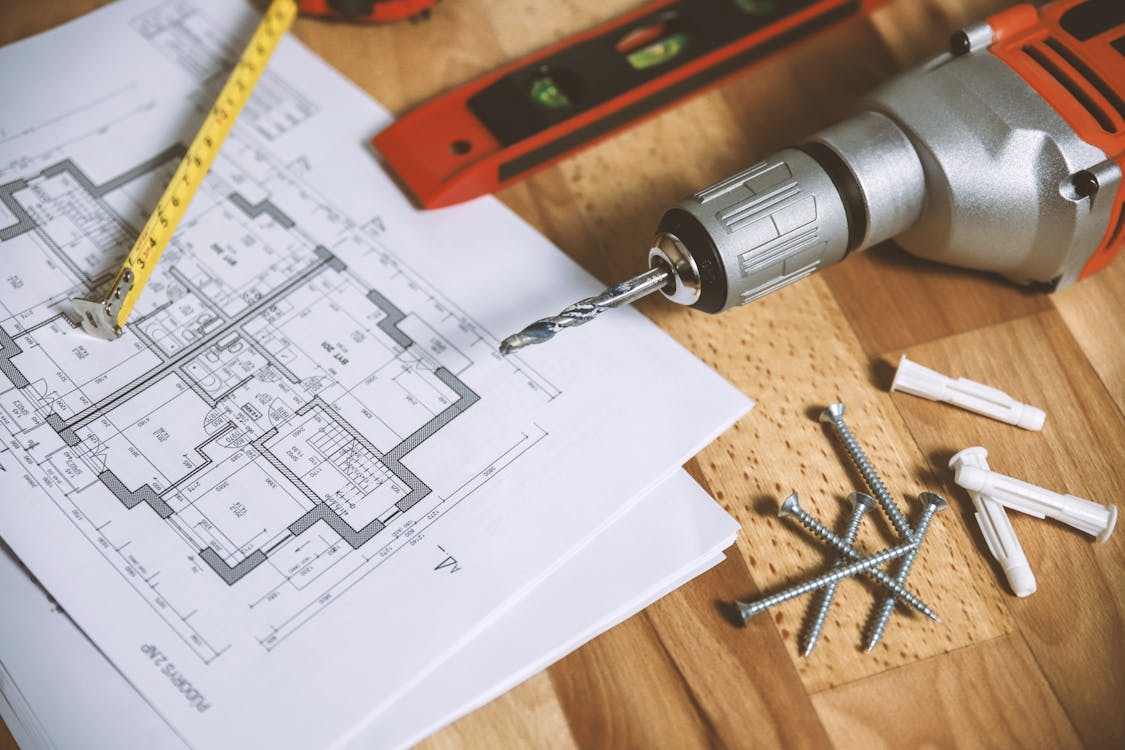
Drill and Drill Bits: Necessary for mounting cameras and running cables through walls and ceilings.
Screwdrivers: A set of various screwdrivers will help with mounting and adjustments of equipment.
Multimeter: Used to test the integrity of electrical connections and troubleshoot issues.
Network Tester: Essential for ensuring that network connections are functioning properly, especially when integrating IP cameras.
Ladder: For accessing high areas where cameras may need to be installed.
Toolbox: A sturdy toolbox to keep all your tools organized and easily accessible.
Having the right tools not only makes the installation process more efficient but also allows for a professional finish that clients will appreciate.
Choosing the Right CCTV System
Selecting the right CCTV system for a particular environment involves several considerations:
Camera Type: Based on the area you need to monitor, choose between indoor and outdoor cameras. Outdoor cameras should be weatherproof and have night vision capabilities.
Resolution: Higher resolution cameras provide clearer images, which is essential for identifying individuals and details in recorded footage.
Field of View: Consider the coverage area. Wide-angle cameras can cover larger spaces, while PTZ cameras can be directed to focus on specific areas.
Storage Options: Decide between local storage (DVR/NVR) and cloud storage based on budget and accessibility needs.
Integration: Check compatibility with existing security systems and software for seamless operation.
These considerations will help ensure that clients receive a system tailored to their unique security needs.
Why Master CCTV Installation Training is a Game-Changer for Your Career
The demand for CCTV installation trainingis at an all-time high as businesses and homeowners prioritize security. With rising security concerns worldwide, skilled CCTV installers are in demand for residential, commercial, and industrial applications. Whether you’re looking to start a new career, enhance your technical skills, or launch a profitable business, learning CCTV installation is a valuable investment. In this guide, we will explore the various components of CCTV systems, the technologies involved, and industry best practices that ensure effective installation and maintenance.
For instance, understanding different types of cameras, such as dome, bullet, and PTZ (pan-tilt-zoom) cameras, will help you choose appropriate equipment for specific environments. Additionally, mastering the wiring and networking aspects of CCTV systems is crucial for seamless integration with existing security infrastructures.
The Importance of CCTV Installation
CCTV cameras play a crucial role in modern security systems by:
Deterring Crime – A visible CCTV system discourages theft, vandalism, and unauthorized access. For example, a well-placed camera at the entrance of a store can significantly reduce shoplifting incidents.
Providing Evidence – Recorded footage is essential for investigations and legal cases. Many law enforcement agencies rely on CCTV footage to solve crimes, and having high-quality video can be the difference between a successful prosecution and a case going cold.
Enhancing Workplace Safety – Helps monitor employees and prevent workplace incidents. Employers can use CCTV to identify unsafe practices and implement training to improve overall safety.
Remote Monitoring – Modern CCTV systems offer real-time surveillance via smartphones and computers, allowing business owners to keep an eye on their premises from anywhere in the world.
Opportunities in the Surveillance and Security Industry
With MasterCCTV installation training, you can explore multiple career opportunities, such as:
Security System Technician – Work with security firms to install and maintain CCTV systems. This role often involves troubleshooting and upgrading systems as new technologies emerge.
Self-Employed Installer – Start your own business and serve clients directly. Many homeowners and small businesses prefer to hire independent installers for personalized service.
Corporate Security Specialist – Manage surveillance systems for businesses and organizations. This position may involve developing security protocols and conducting risk assessments to protect company assets.
Freelance CCTV Consultant – Provide expert advice and system setup services. Freelancers often work with various clients, bringing diverse project experience.
Government Security Contractor – Work on high-profile security projects in public institutions. Contractors often deal with larger budgets and complex security needs.
Why You Should Get Started Now
Security is a necessity, not a luxury, and the demand for skilled CCTV installers is increasing. By enrolling in Master CCTV Installation training, you’ll gain hands-on experience, technical expertise, and the knowledge needed to install, configure, and maintain surveillance systems professionally. With the increasing number of home renovations and business expansions, there’s a rising need for updated security systems, making this the perfect time to dive into the industry.
Moreover, the technology behind CCTV is evolving rapidly. Integrating advanced features like facial recognition, motion detection analytics, and cloud storage solutions requires installers to stay informed on the latest developments. This ongoing learning opportunity not only makes the job more engaging but also enhances your marketability as a professional.
Take Action Today!
Don’t wait to secure your future in the booming security industry. Enroll in a MasterCCTV installation training program today and start building a lucrative and rewarding career. Sign up now and take the first step toward becoming a certified CCTV professional! Additionally, consider joining industry forums and attending trade shows to network with other professionals and stay updated on trends and technologies.
Why Door Access Control Training is Essential for Security Professionals
As security threats continue to evolve, businesses and organizations are prioritizing advanced access control solutions to safeguard their premises. This has led to an increasing demand for skilled professionals who can design, install, and maintain access control systems. Whether you’re starting a new career or enhancing your technical skills, door access control training is essential for staying ahead in the security industry.
The Importance of Door Access Control Systems
Access control systems are at the core of modern security, helping businesses, institutions, and homeowners manage who can enter specific areas. These systems offer several benefits:
1. Restricting Unauthorized Entry
By implementing door access control systems, businesses ensure that only authorized personnel can enter certain areas, reducing the risk of security breaches.
2. Enhancing Workplace Security
Access control protects employees, assets, and confidential information. It minimizes the chances of theft, vandalism, or unauthorized access.
3. Improving Convenience
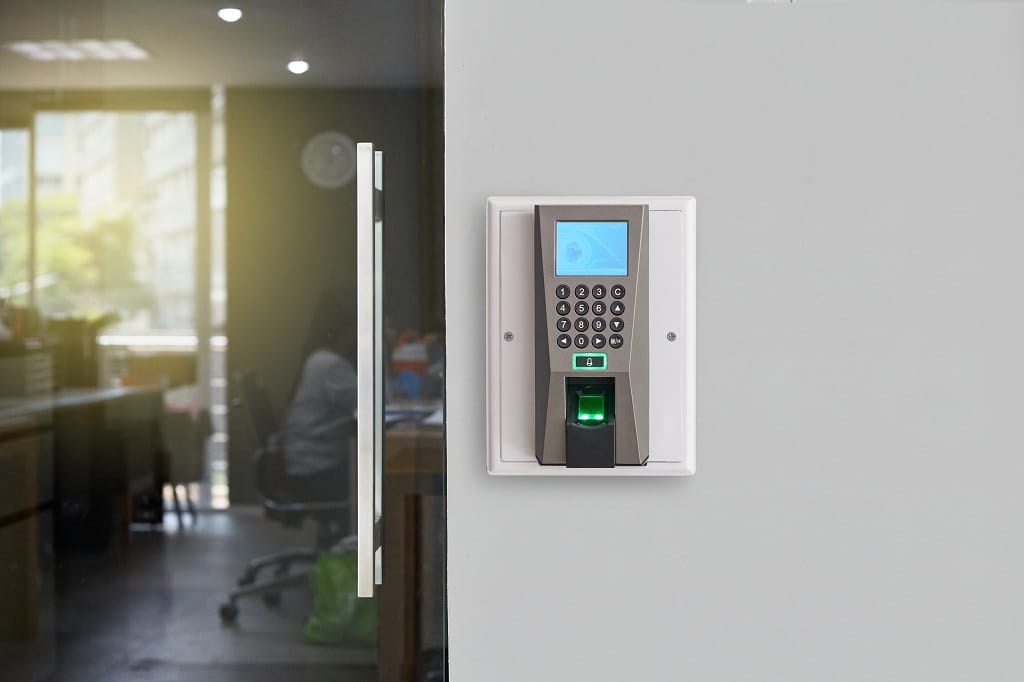
With advanced access control solutions like card readers, keypads, biometric scanners, and mobile access, traditional keys become obsolete. This makes entry easier for authorized users while improving overall security.
4. Providing Detailed Access Logs
Modern access control systems generate reports of who enters and exits at specific times. This is valuable for security monitoring, compliance, and investigations.
Career Opportunities in the Access Control Industry
Completing a door access control training program opens up various career paths. Here are some of the top opportunities:
1. Security System Technician
Security system technicians install, maintain, and troubleshoot door access control systems for businesses, homes, and institutions.
2. Access Control Consultant
As an access control consultant, you’ll design security solutions tailored to corporate clients, government offices, and commercial establishments.
3. Self-Employed Security Specialist
Door access control training enables you to start your own business, offering professional installation services to residential and commercial clients.
4. Government & Commercial Security Contractor
Security contractors work on high-profile projects, installing and maintaining access control systems in hospitals, schools, banks, and corporate offices.
5. Smart Home Integration Expert
With the rise of smart home technology, many homeowners are integrating access control into their security systems. Learning door access control installation can help you provide smart home solutions.
Why You Should Start Learning Now
The security industry is growing rapidly, with more businesses investing in high-tech solutions to enhance safety. By enrolling in door access control training, you’ll gain hands-on experience and technical expertise to install and configure cutting-edge security systems.
Some reasons to start training today include:
High demand for security professionals – With increasing security concerns, businesses are actively hiring trained specialists.
Lucrative career opportunities – Certified access control technicians and consultants earn competitive salaries.
Comprehensive learning experience – A structured door access control training program covers everything from wiring and installation to software configuration and troubleshooting.
Business growth potential – If you’re an entrepreneur, adding access control installation to your services can significantly expand your business.
What You Will Learn in Door Access Control Training
A well-structured door access control training course covers various essential topics, including:
Fundamentals of electronic access control
Types of access control systems (card readers, keypads, biometrics, etc.)
System wiring and installation
Software configuration and user management
Troubleshooting and maintenance
Legal and compliance aspects of security installations
How to Choose the Right Door Access Control Training Program
When selecting a door access control training course, consider the following:
Hands-on Practical Training – Ensure the course includes real-world installation exercises.
Comprehensive Curriculum – A good training program should cover both hardware and software components of access control systems.
Certification – Completing a certified course can enhance your credibility and employability.
Industry Expert Instructors – Learning from experienced professionals ensures you gain valuable insights.
Take Action Today!
The security industry is booming, and skilled professionals are in high demand. Don’t miss the opportunity to gain expertise in door access control training and build a rewarding career. Enroll in a training program today and take the first step toward becoming a security expert!
By investing in door access control training, you can position yourself as a sought-after security professional, providing essential solutions that protect businesses, homes, and institutions. Whether you want to work for a security company, start your own business, or expand your skills, now is the perfect time to begin.
Fire alarm system installation is essential for fire safety in homes, offices, and commercial buildings. A properly installed fire alarm system ensures early fire detection, allowing quick response and minimizing property damage. Whether you are a beginner or a professional, understanding fire alarm installation is crucial for ensuring compliance with fire safety regulations.
This completefire alarm system installation guide will walk you through the step-by-step process of fire alarm system installation, covering essential components, wiring techniques, system setup, and troubleshooting.
Understanding Fire Alarm System Components
A fire alarm system consists of multiple components designed to detect fire hazards and provide emergency alerts. Proper fire alarm installation requires a clear understanding of these components:
Fire Alarm Control Panel (FACP): The brain of the fire alarm system, managing all connected devices.
Smoke Detectors and Heat Sensors: Essential for detecting fire hazards and activating alarms.
Manual Call Points (MCPs): Also known as pull stations, used for manual activation of the fire alarm system.
Sounders and Strobe Lights: Provide audible and visual alerts in case of fire emergencies.
Backup Power Supply: Ensures the fire alarm system functions even during power failures.
Each of these components plays a critical role in fire alarm system installation, making it essential to install and configure them correctly.
Step-by-Step Fire Alarm System Installation Guide
Step 1: Planning and Designing the Fire Alarm System
Successful fire alarm installation starts with detailed planning:
Identify fire-prone areas where fire alarm devices should be installed.
Choose the appropriate fire alarm system type: conventional fire alarm system or addressable fire alarm system.
Ensure compliance with local fire alarm installation standards and safety codes.
Create a fire alarm system wiring diagram for accurate installation.
Step 2: Fire Alarm System Wiring and Device Installation
Use fire-resistant cables for durability and safety.
Properly connect fire alarm control panels, smoke detectors, manual call points, and sirens.
Test wiring connections to avoid faults in the fire alarm installation process.
Step 3: Configuring the Fire Alarm Control Panel
Program the fire alarm control panel for proper device recognition.
Set up zoning to ensure efficient monitoring of the fire alarm system.
Configure notification settings to activate alarms during emergencies.
Step 4: Testing and Commissioning the Fire Alarm System
Thorough testing ensures the fire alarm installation is fully operational:
Smoke Detector Testing: Verify that smoke triggers the fire alarm system.
Heat Sensor Testing: Check that heat sensors activate the alarm.
Manual Call Point Testing: Ensure manual alarms function correctly.
Backup Power Testing: Confirm battery backup operation during power outages.
Fire Alarm System Maintenance and Troubleshooting
Regular fire alarm system maintenance is vital for system reliability. Key maintenance steps include:
Monthly Fire Alarm System Testing: Ensure all components are functioning properly.
Battery Replacement: Change weak or faulty backup batteries.
Smoke Detector Cleaning: Remove dust and debris to maintain sensor accuracy.
Wiring Inspection: Check for damaged cables affecting the fire alarm system.
Common fire alarm troubleshooting includes:
False Alarms: Caused by sensor misplacement or wiring issues.
Non-Responsive Detectors: Check power supply and wiring connections.
Alarm Malfunction: Ensure proper fire alarm control panel programming.
Selecting the correct fire alarm system ensures maximum protection. Common types include:
Conventional Fire Alarm System: Suitable for small buildings, with separate zones for monitoring.
Addressable Fire Alarm System: Ideal for large structures, providing detailed device identification.
Wireless Fire Alarm System: Best for locations where wiring installation is difficult.
Choosing the right fire alarm system ensures efficient fire detection and response.
Conclusion
Mastering fire alarm system installation is crucial for protecting lives and property. By understanding fire alarm system components, wiring, control panel configuration, testing, and maintenance, you can successfully install a functional fire alarm system.
Whether you’re a beginner or an aspiring professional, following this fire alarm installation guide will help you develop essential skills for safe and efficient fire alarm system installation. Stay updated with the latest fire safety regulations and best practices to enhance your expertise in fire alarm system installation.
Installing an intercom system is essential for secure and efficient communication in residential, commercial, and industrial buildings. A well-configured intercom system installation ensures seamless audio and video communication, improving access control and security. Whether you’re a beginner or a professional, learning intercom system installation and intercom configuration is crucial for modern security setups.
This guide will explain intercom system components, intercom wiring, intercom panel setup, and intercom system configuration. By mastering intercom installation, you can set up reliable wired intercom systems, wireless intercom systems, and IP intercom systems for homes, offices, and buildings.
To successfully perform an intercom system installation, you need to understand the main components of an intercom system:
Master Station: The central control unit that manages communication between different intercom units.
Sub-Stations (Slave Units): Additional intercom units installed in different locations for communication.
Door Stations: Installed at entry points for visitors to request access.
Speakers & Microphones: Essential for audio communication in intercom systems.
Cameras (For Video Intercom Systems): Provide video feed for better security in video intercom systems.
Power Supply: Ensures continuous operation of the intercom system installation.
Understanding these components is key to an efficient intercom system installation and intercom configuration.
Step-by-Step Intercom System Installation Guide
Step 1: Planning and Designing the Intercom System
Before beginning an intercom system installation, proper planning is necessary:
Choose between a wired intercom system, wireless intercom system, or IP intercom system based on requirements.
Determine the number and location of intercom stations for maximum coverage.
Plan the intercom wiring layout for wired intercom system installation.
Ensure compliance with intercom installation safety and building regulations.
Step 2: Wiring and Mounting the Intercom System
For a wired intercom system installation:
Use shielded cables to minimize interference and ensure clear audio transmission.
Connect the master station, sub-stations, and door stations according to the intercom wiring diagram.
Securely mount intercom units on walls, gates, or entrances.
For a wireless intercom system installation:
Ensure strong Wi-Fi or RF signals for uninterrupted communication.
Pair all intercom units with the master station.
Configure network settings for IP intercom systems.
Step 3: Configuring the Intercom System
Intercom system configuration ensures proper functionality:
Program the intercom control panel to recognize all devices.
Set up call routing, volume levels, and access control features.
Integrate with security systems such as CCTV cameras and door access controls.
Step 4: Testing the Intercom System
After completing the intercom system installation, testing ensures all components function properly:
Audio Test: Verify clear two-way communication between stations.
Video Test (For Video Intercom Systems): Check camera quality and display settings.
Door Release Test: Ensure proper functionality of door unlocking features.
Range Test: Confirm wireless systems work across the intended area.
Intercom System Maintenance and Troubleshooting
Regular intercom system maintenance ensures long-term performance:
Check Intercom Wiring: Inspect cables for wear and tear in wired intercom systems.
Test Wireless Connectivity: Ensure signal strength remains stable in wireless intercom systems.
Clean Microphones & Speakers: Prevent dust buildup for clear audio.
Update Firmware & Software: Keep IP intercom systems secure with the latest updates.
Common Intercom System Issues and Troubleshooting
No Sound or Poor Audio Quality: Check speaker and microphone connections.
Interference in Wireless Intercom Systems: Adjust frequencies to minimize disruptions.
Door Release Not Working: Verify wiring and power connections.
Video Display Issues in Video Intercom Systems: Adjust camera angles and check connections.
Choosing the Right Intercom System
Different intercom systems serve various needs:
Wired Intercom System: Best for stable, interference-free communication.
Wireless Intercom System: Ideal for easy installation in homes and offices.
IP Intercom System: Advanced solution for integrating with smart security systems.
Video Intercom System: Provides enhanced security with audio and video features.
Selecting the right intercom system installation method depends on location, budget, and security needs.
Conclusion
Mastering intercom system installation and intercom system configuration ensures secure and efficient communication in homes, offices, and businesses. By understanding intercom system components, intercom wiring, intercom panel setup, and intercom maintenance, you can install and configure a reliable intercom system.
Whether you’re working on a wired intercom system, wireless intercom system, or IP intercom system, following this intercom system installation guide will help you set up a professional, high-performing intercom system. Stay updated with the latest technology to enhance your skills in intercom system installation today!
Burglar alarm installation is essential for securing homes, offices, and commercial buildings. A properly installed burglar alarm system deters intruders, alerts property owners, and enhances security. Whether you are a beginner or an aspiring security expert, mastering burglar alarm installation is crucial for building a successful career in the security industry.
This guide will walk you through the burglar alarm installation process, including key components, wiring techniques, system configuration, and troubleshooting. By learning burglar alarm system installation, you can protect properties and provide reliable security solutions.
Inspect Alarm Wiring: Check for loose or damaged connections.
Test Batteries: Replace backup batteries as needed.
Clean Motion Sensors: Remove dust to maintain accuracy.
Update Alarm Software: Keep firmware and apps updated for enhanced security.
Common Burglar Alarm System Issues and Solutions
False Alarms: Adjust sensitivity settings to reduce unnecessary triggers.
Alarm Not Activating: Check power supply and sensor connections.
Weak Wireless Signal: Improve placement or upgrade the communication module.
Unresponsive Keypad: Reset or replace the burglar alarm control panel if needed.
Choosing the Right Burglar Alarm System
Different burglar alarm systems cater to specific security needs:
Wired Burglar Alarm System: Ideal for long-term reliability with minimal interference.
Wireless Burglar Alarm System: Best for easy installation and remote monitoring.
Smart Burglar Alarm System: Integrated with smart home devices for advanced automation.
Selecting the right burglar alarm system installation method depends on location, security needs, and budget.
Conclusion
Mastering burglar alarm installation is essential for creating secure environments and preventing unauthorized access. By understanding burglar alarm system components, alarm wiring, sensor placement, configuration, and maintenance, you can successfully install and maintain a burglar alarm system.
Whether you’re a beginner or a professional, following this burglar alarm system installation guide will help you become an expert in security system installation. Stay updated with the latest security technologies and enhance your skills in burglar alarm installation today!
Automated gate installation training is essential for anyone looking to start a successful career in the security industry. As more homeowners, businesses, and industries adopt automated gate systems, the demand for skilled professionals in automated gate installation continues to grow. By learning automated gate installation, you gain the expertise to install, configure, and maintain automatic gate systems, making it a highly profitable skill.
With automated gate installation training, you can master the technical skills needed to work with swing gate systems, sliding gate systems, and barrier gates. Whether you are a beginner or an experienced technician, automated gate installation training provides the foundation to build a lucrative security business.
To excel in automated gate installation, you must understand the key components of an automated gate system:
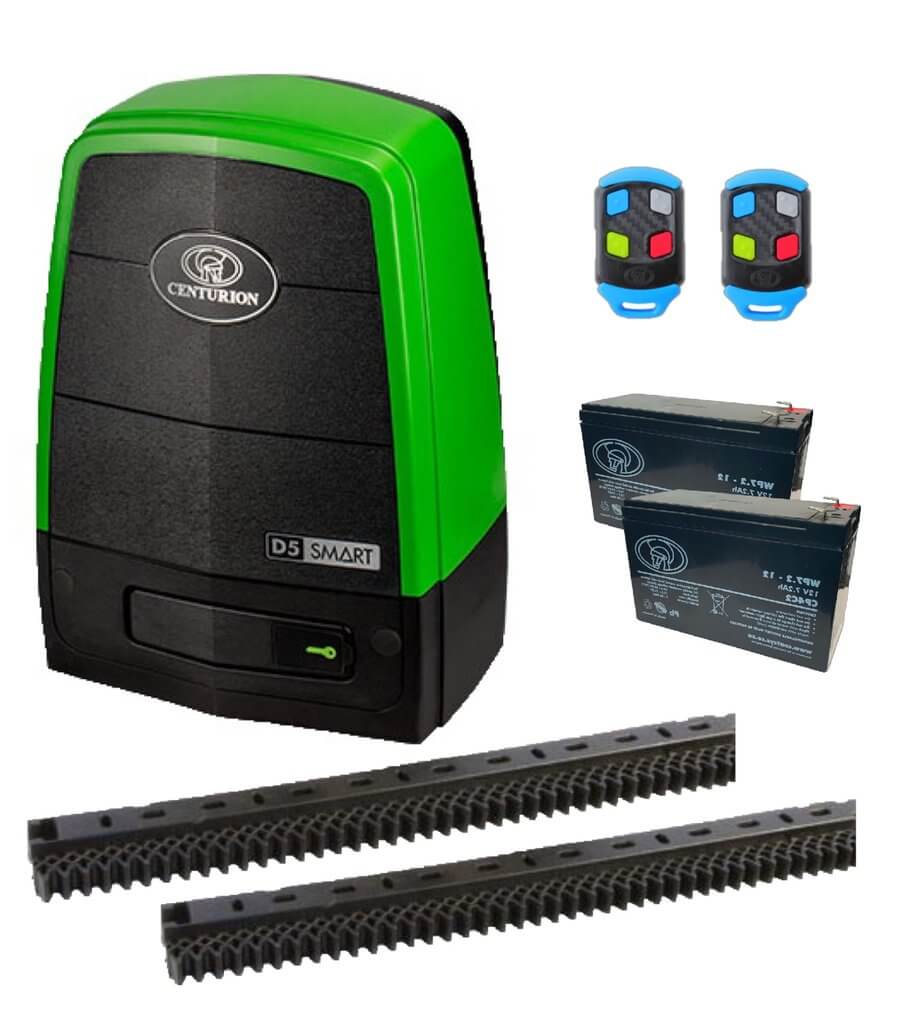
Gate Motor: Powers the movement of the gate.
Control Panel: The central unit that manages the automatic gate system.
Remote Controls & Keypads: Allow users to control the automated gate system.
Safety Sensors: Prevent accidents by detecting obstacles.
Loop Detectors: Ensure automatic vehicle detection for gate automation.
Intercom & Access Control: Enhance security by controlling entry points.
Backup Battery: Ensures uninterrupted operation of the automated gate system.
By understanding these components, you can ensure a successful automated gate installation for both residential and commercial properties.
Step-by-Step Automated Gate Installation Training
Step 1: Planning the Automated Gate Installation
Proper planning is the first step in automated gate installation training. Before starting the automated gate installation, follow these steps:
Choose the right automatic gate system (sliding, swing, or barrier gate).
Measure the gate size and weight for motor compatibility.
Plan the power supply and wiring layout.
Identify the best location for safety sensors and loop detectors.
Step 2: Installing the Gate Motor
The gate motor is the heart of an automated gate system. Proper gate motor installation ensures smooth operation:
For swing gates, install the gate motor on a sturdy post.
For sliding gates, install the motor unit on a secure foundation.
Connect the motor arm or rack for seamless movement.
Step 3: Connecting the Control Panel
A properly configured control panel is essential for an efficient automated gate system installation:
Wire the gate motor, keypads, and remote controls to the control panel.
Connect safety sensors and loop detectors for enhanced security.
Ensure proper grounding to prevent electrical faults in the automated gate installation.
Step 4: Configuring the Automated Gate System
Program remote controls and keypads for secure access.
Adjust gate speed and force settings for optimal performance.
Enable auto-close features and set security preferences.
Integrate CCTV and intercom systems for enhanced gate automation.
Step 5: Testing the Automated Gate System
After completing the automated gate installation, perform thorough testing:
Motor Function Test: Ensure smooth gate opening and closing.
Sensor Test: Confirm that safety sensors detect obstacles.
Remote and Keypad Test: Check user control functions.
Battery Backup Test: Simulate a power failure to verify gate operation.
Automated Gate Maintenance & Troubleshooting
Proper maintenance is crucial for long-lasting automated gate systems:
Lubricate Gate Hinges and Rollers: Prevent wear and tear.
Check Wiring and Electrical Connections: Avoid power issues.
Test Safety Sensors and Loop Detectors: Ensure proper functionality.
Update System Firmware and Settings: Keep the automated gate system running efficiently.
Common Automated Gate Issues & Solutions
Gate Not Opening or Closing: Check motor power and control panel settings.
Remote Not Responding: Replace batteries or reprogram the remote.
Gate Making Noise: Lubricate moving parts and check for loose components.
Sensors Not Detecting Obstacles: Clean the sensor lenses and realign them.
Why Choose Automated Gate Installation Training?
High Demand for Automated Gate Systems: Businesses and homes require professional automated gate installation.
Lucrative Career Opportunities: Skilled automated gate installers earn significant income.
Business Growth Potential: Offer additional services like access control, CCTV, and security automation.
Scalability: Expand your automated gate installation business by serving multiple clients.
Conclusion
Mastering automated gate installation training is the key to launching a successful security business. With the growing need for automated gate systems, learning automated gate installation allows you to provide security solutions for residential, commercial, and industrial properties.
By completing automated gate installation training, you gain expertise in gate motor installation, control panel wiring, safety sensor setup, remote access configuration, and system troubleshooting. Whether you’re a beginner or an experienced technician, automated gate installation offers endless opportunities to grow in the security industry.
Start your journey in automated gate installation training today and build a lucrative career in gate automation!
In today’s digital world, high-speed networks are essential for communication, internet access, and data transfer. Fiber optic technology plays a crucial role in ensuring fast and reliable connectivity. One of the key aspects of fiber optic networks is splicing, which helps maintain seamless signal transmission.
Understanding fiber optic splicing is vital for professionals in telecommunications, IT, and networking. This guide explains the basics of splicing techniques, the tools involved, and the benefits of acquiring training in fiber optic technology.
Splicing refers to the process of joining two fiber optic cables to create a continuous connection. This is done to repair broken cables or extend existing ones in network installations. There are two main splicing techniques:
Fusion Splicing: This method uses heat to permanently join fiber ends, resulting in a low-loss connection.
Mechanical Splicing: This involves aligning fiber ends inside a connector and using gel to maintain connectivity.
Both methods are used in various fiber optic applications, including internet infrastructure, security systems, and data centers.
With growing demand for faster internet and stronger communication networks, fiber optic splicing is essential for improving performance. Some key reasons why splicing is important include:
Network Expansion: Splicing allows technicians to connect cables over long distances.
Maintenance & Repairs: When cables are damaged, splicing restores connectivity.
Signal Optimization: High-quality splicing ensures minimal data loss and efficient transmission.
Training in fiber optic splicing equips professionals with the knowledge to manage fiber optic networks effectively.
Step-by-Step Guide to Fiber Optic Splicing
1. Preparing the Fiber Cable
Before splicing, technicians must strip the protective layers, clean the fiber strands, and use a cleaver to make precise cuts.
2. Fusion Splicing Process
The fiber ends are aligned in a splicing machine.
Heat is applied to fuse the fibers together.
A protective sleeve is placed over the splice for durability.
3. Mechanical Splicing Process
The fiber ends are inserted into a connector.
Optical gel is applied to reduce signal loss.
The splice is secured inside a protective enclosure.
4. Testing the Connection
After splicing, testing ensures the fiber is transmitting data correctly. Tools like an Optical Time-Domain Reflectometer (OTDR) help detect signal loss or breaks.
Tools Needed for Fiber Optic Splicing
Technicians require specialized tools for efficient splicing, including:
Fiber Cleaver – Creates precise cuts for optimal connection.
Fusion Splicer – Automates the fusion splicing process.
Mechanical Splice Kit – Used for quick and temporary splicing.
OTDR & Power Meter – Essential for testing fiber connectivity.
Proper training ensures that professionals can handle these tools effectively hence some of the challenges below.
Challenges Encountered in Fiber Optic Splicing
1. High Signal Loss
Solution: Ensure accurate fiber alignment and use clean-cut fiber ends.
2. Weak or Unstable Connection
Solution: Use high-quality materials and test connections thoroughly.
3. Environmental Damage
Solution: Protect splices with durable sleeves and enclosures.
Understanding these challenges helps professionals improve network reliability.
Career Opportunities in Fiber Optic Technology
With the increasing use of fiber optic networks, trained technicians are in high demand. Some career opportunities include:
Telecommunications Technician
Network Installation Specialist
Fiber Optic Splicing Engineer
Data Center Technician
Learning fiber optic splicing is a valuable skill for those looking to enter the networking and IT industry.
Conclusion
As demand for fast and reliable communication networks grows, expertise in fiber optic splicing becomes a valuable asset. Whether you’re starting a career in telecommunications or looking to upgrade your skills, fiber optic training can open doors to many opportunities.
By mastering splicing techniques and using the right tools, professionals can help build the future of high-speed networking while ensuring long-lasting and efficient connections.
The digital landscape is evolving rapidly, making it essential for businesses and individuals to understand how online marketing works. Whether you are a business owner, a marketer, or someone looking to start a career in this field, mastering the key areas of online marketing can provide tremendous opportunities.
This guide explores the core areas of digital marketing, including search engine optimization (SEO), social media, and strategies for online growth. By understanding and applying these techniques, businesses can enhance their visibility and attract the right audience.
Digital marketing refers to the use of online platforms to promote brands, products, and services. It involves various strategies, such as content creation, paid advertising, and analytics. The goal is to connect with audiences and encourage engagement.
There are several branches of digital marketing, including:
Search Engine Optimization (SEO) – The process of improving a website’s ranking in search engine results.
Content Marketing – Creating valuable and informative content to attract users.
Social Media Marketing – Using platforms like Facebook, Instagram, and LinkedIn to reach and engage with audiences.
Email Marketing – Sending targeted messages to potential and existing customers.
Pay-Per-Click Advertising (PPC) – Running paid ads on search engines and social platforms.
By combining these strategies, businesses can increase their reach and improve their online presence.
The Role of SEO in Digital Marketing
SEO plays a crucial role in helping websites rank higher in search engines. It involves optimizing content, improving website structure, and obtaining backlinks from authoritative sources.
Key SEO Strategies
Keyword Research – Identifying terms that potential customers search for.
On-Page Optimization – Enhancing page titles, meta descriptions, and content structure.
Technical SEO – Ensuring website speed, mobile-friendliness, and security.
Link Building – Acquiring quality backlinks to improve credibility.
User Experience – Making websites easy to navigate for visitors.
A strong SEO strategy ensures long-term visibility and helps businesses attract organic traffic.
Using Social Media to Build an Online Presence
Social media platforms have become essential tools for connecting with audiences. They provide an opportunity to engage, share content, and build brand awareness.
Tips for Effective Social Media Marketing
Choose the Right Platforms – Focus on networks where your target audience is active.
Consistent Posting – Share relevant content regularly to maintain engagement.
Use Visuals – Images and videos tend to attract more interactions.
Engage with Followers – Respond to comments and messages to build relationships.
Run Targeted Ads – Use paid promotions to expand reach.
A well-planned social media approach can drive traffic and increase brand credibility.
Effective Online Growth Strategies
For businesses to thrive online, they need a structured plan. Growth strategies help organizations attract customers, increase revenue, and sustain long-term success.
Key Online Growth Strategies
Content Marketing – Providing useful information through blogs, videos, and infographics.
Email Campaigns – Sending newsletters to nurture leads.
Conversion Rate Optimization – Enhancing websites to improve user experience and increase sales.
Webinars and Online Events – Hosting interactive sessions to educate and engage.
Affiliate Marketing – Partnering with others to expand market reach.
Each of these techniques helps businesses strengthen their digital presence.
The Importance of Digital Marketing Skills
Learning digital marketing provides numerous benefits, whether for career advancement or business growth. Professionals with expertise in this field are in high demand, and businesses that invest in online marketing see better results.
Increased Visibility – Helps businesses get noticed online.
Better Engagement – Builds stronger connections with audiences.
Higher Revenue Potential – Leads to more conversions and sales.
Cost-Effective Marketing – More affordable than traditional advertising.
With the right skills, individuals can take advantage of the many opportunities available in digital marketing.
How to Get Started
For those looking to build expertise in digital marketing, there are several ways to begin:
Enroll in Training Programs – Online courses provide structured learning.
Follow Industry Trends – Stay updated with the latest techniques and tools.
Practice Regularly – Apply knowledge by working on personal or client projects.
Analyze Performance – Track results to measure progress and improve strategies.
Join Online Communities – Engage with professionals to exchange ideas.
By taking these steps, beginners can gradually build a strong foundation in digital marketing.
Conclusion
The world of digital marketing offers immense potential for businesses and professionals. Understanding SEO, social media marketing, and other online strategies can lead to significant growth and success. By applying these methods effectively, individuals and organizations can strengthen their online presence and reach their target audience more efficiently.
Whether you are starting a new business, looking to improve your online reach, or considering a career in this field, investing time in digital marketing training will provide long-term benefits.
In today’s digital world, having a well-designed website is essential for businesses, entrepreneurs, and freelancers. Whether you want to create websites for personal projects, clients, or online businesses, website design training provides the skills needed to build and launch professional websites with ease.
This guide will introduce you to the fundamentals of website design training, covering essential tools, techniques, and strategies to help you create visually appealing, functional, and user-friendly websites.
Before building a website, it’s important to understand its structure. A website typically consists of:
Homepage – The main page that introduces the website.
About Page – Provides information about the brand or business.
Services/Products Page – Displays what the business offers.
Contact Page – Includes a contact form, email, and social media links.
Blog Section – Used for publishing articles and updates.
A well-structured website enhances user experience and improves navigation.
2. Choosing the Right Website Platform
There are different platforms available for website creation, including:
WordPress – Ideal for beginners and professionals.
Wix & Squarespace – User-friendly website builders with drag-and-drop features.
Shopify – Perfect for eCommerce stores.
Selecting the right platform depends on your goals and technical skills.
3. Designing the Website Layout
Website design training emphasizes creating an appealing and functional layout. Important design principles include:
Consistency – Use uniform fonts, colors, and spacing.
Responsiveness – Ensure the website looks good on all devices.
Fast Loading Speed – Optimize images and scripts to improve speed.
Call-to-Action (CTA) – Encourage users to take specific actions, such as signing up or making a purchase.
A visually appealing and well-structured website improves user engagement.
4. Adding Content & Images
Content is crucial for websites. To create engaging content:
Use high-quality images relevant to your website.
Write clear and concise text that provides value to visitors.
Format content with headings, subheadings, and bullet points for readability.
Optimize content for SEO (Search Engine Optimization) to rank higher on search engines.
By integrating relevant content, your website will attract more visitors.
5. Optimizing for SEO
SEO helps improve a website’s visibility on search engines like Google. Key SEO practices include:
Using Keywords – Include relevant search terms in titles, headings, and content.
Optimizing Meta Descriptions – Write compelling descriptions for better click-through rates.
Building Backlinks – Obtain links from reputable websites to boost authority.
Improving Page Speed – Use caching and optimize images for faster loading times.
Implementing SEO strategies increases website traffic and enhances online visibility.
6. Testing & Launching the Website
Before launching, test the website on different devices and browsers. Check for:
Broken Links – Ensure all links work properly.
Mobile Compatibility – Verify the design looks good on smartphones and tablets.
Loading Speed – Use tools like Google PageSpeed Insights to test performance.
Once everything is optimized, publish your website and start promoting it.
7. Maintaining & Updating the Website
Website design training also includes website maintenance. Regular updates keep the site secure and improve performance. Key maintenance tasks include:
Monitoring Analytics – Track visitor behavior using Google Analytics.
Adding Fresh Content – Keep the website engaging with new blog posts and updates.
Consistent maintenance ensures the website remains functional and effective.
How to Get Started with Website Design Training
If you’re ready to learn website design, here’s how to start:
Take Online Courses – Enroll in website design training programs.
Practice on Free Platforms – Use tools like WordPress and Wix to build sample sites.
Join Online Communities – Connect with experienced web designers for tips and guidance.
Work on Real Projects – Apply your skills by creating websites for clients or personal use.
Stay Updated – Follow industry trends and new design techniques.
With dedication and practice, you can develop strong website design skills and build professional websites effortlessly.
Conclusion
Mastering website design training empowers individuals to build and launch professional websites efficiently. Whether you aim to create personal projects, offer freelance services, or start an online business, website design skills are invaluable.
By learning the fundamentals, choosing the right tools, and applying effective strategies, you can design stunning, user-friendly websites. Start your website design training journey today and turn your creativity into a successful career!